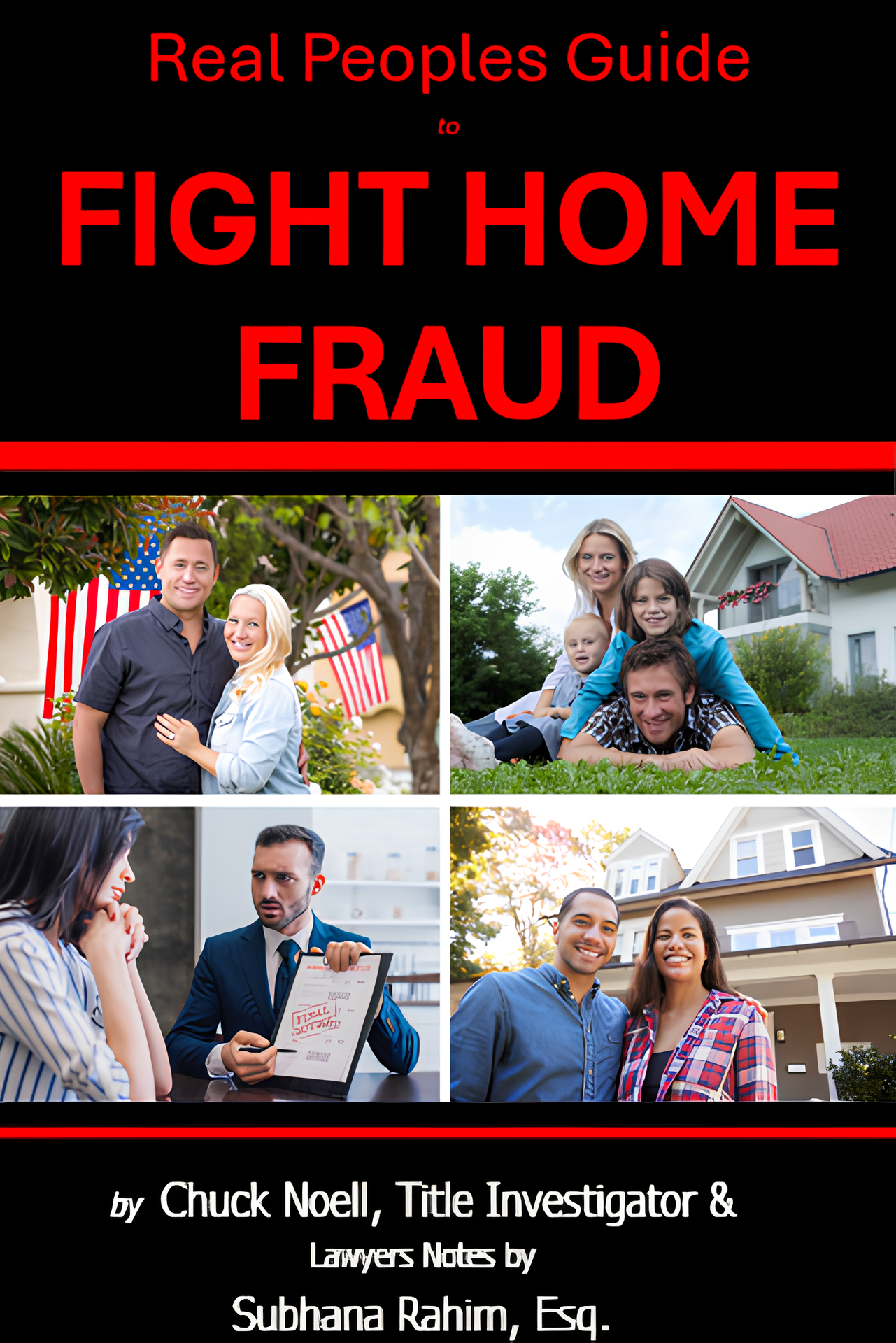
Mortgage fraud is a broad term that encompasses a range of illicit activities designed to deceitfully manipulate mortgage transactions for financial gain. From the manipulation of property deeds to identity theft and the provision of false financial information, fraudsters exploit the complexities of mortgage transactions in multifaceted schemes. These fraudulent activities victimize innocent homeowners and buyers, leading to financial ruin, loss of property, and profound personal distress.
Mortgage fraud poses significant risks to buyers, often leading to scenarios that can be financially and emotionally devastating.
Loss of Savings: Victims of mortgage fraud can lose their entire savings, used for down payments or closing costs, to scammers who disappear once the money is transferred.
Legal Liability: Buyers unknowingly involved in fraudulent schemes may find themselves legally liable, facing lawsuits or even criminal charges for their unintentional participation.
Credit Ruin: Mortgage fraud can lead to situations where the buyer’s credit score is severely damaged, making it difficult to secure loans, mortgages, or any form of credit in the future.
Foreclosure: If the fraud involves taking out a loan in the buyer’s name without their knowledge, they could be at risk of foreclosure on a home they thought they legally owned.
Identity Theft: Some mortgage fraud schemes involve identity theft, leaving the buyer to deal with the fallout of having their personal information used for other illegal activities.
Homelessness: In extreme cases, buyers can end up losing their home, resulting in displacement or homelessness
Mortgage fraud poses significant risks to buyers, but you can preventy it! Here are five of the best practices to avoid mortgage fraud.
Educate Yourself: Learn about the most common types of mortgage fraud so you can recognize potential red flags.
Use Reputable Professionals: Only work with licensed and reputable real estate agents, lenders, and attorneys. Check their references and credentials.
Verify Everything: Double-check all information and documentation related to the mortgage process. This includes verifying the identities of all involved parties, as well as the accuracy of financial documents and property details.
Avoid Rushed Decisions: Be wary of anyone pressuring you to act quickly on a mortgage deal. Fraudsters often use urgency to push victims into making hasty decisions.
Get Independent Advice: Before signing any documents, have them reviewed by an independent legal professional or a trusted financial advisor not affiliated with the transaction.
Mortgage fraud poses significant risks to buyers, often leading to scenarios that can be financially and emotionally devastating.
Loss of Savings: Victims of mortgage fraud can lose their entire savings, used for down payments or closing costs, to scammers who disappear once the money is transferred.
Legal Liability: Buyers unknowingly involved in fraudulent schemes may find themselves legally liable, facing lawsuits or even criminal charges for their unintentional participation.
Credit Ruin: Mortgage fraud can lead to situations where the buyer’s credit score is severely damaged, making it difficult to secure loans, mortgages, or any form of credit in the future.
Foreclosure: If the fraud involves taking out a loan in the buyer’s name without their knowledge, they could be at risk of foreclosure on a home they thought they legally owned.
Identity Theft: Some mortgage fraud schemes involve identity theft, leaving the buyer to deal with the fallout of having their personal information used for other illegal activities.
Homelessness: In extreme cases, buyers can end up losing their home, resulting in displacement or homelessness